
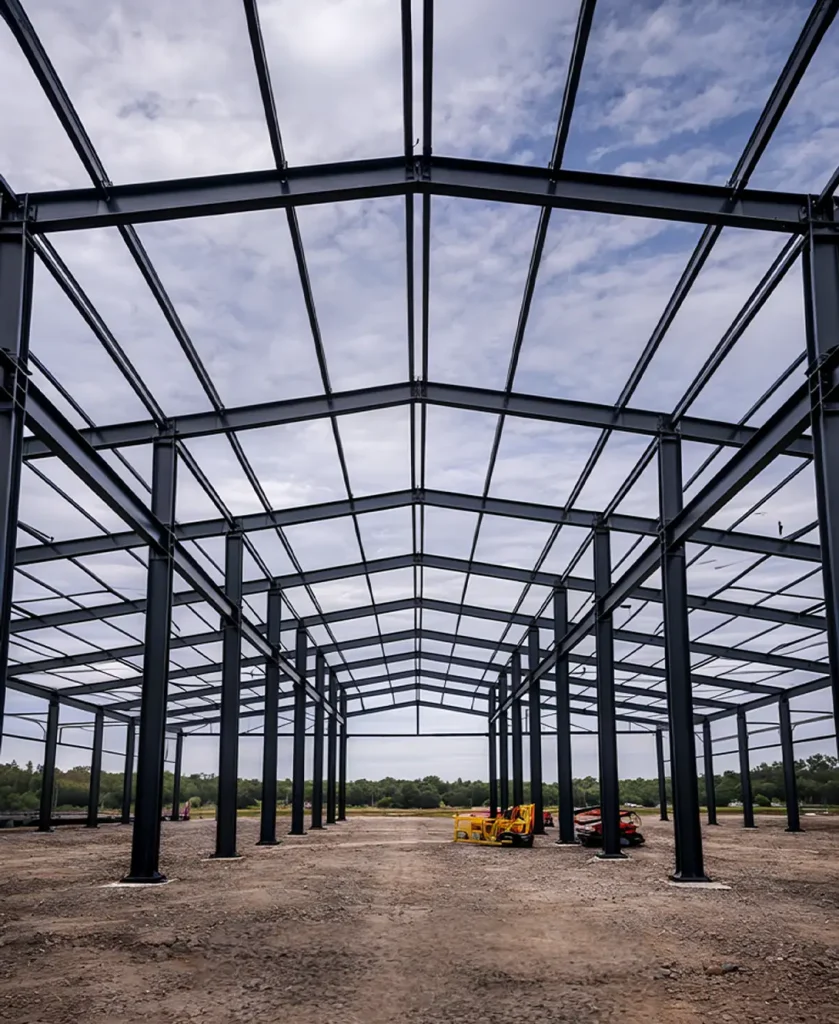
Warehouse Construction in Zambia
Warehouse Construction & Steel Warehouse Structures in Zambia
ZamForge Steel designs, fabricates, and installs steel warehouse structures for businesses that need durable, efficient, and properly engineered space. From logistics storage and workshops to manufacturing, agriculture, mining, and commercial facilities, we build warehouses around real operational requirements — not assumptions.
Design-led structuresIn-house steel fabricationProfessional installationBuilt for industrial use
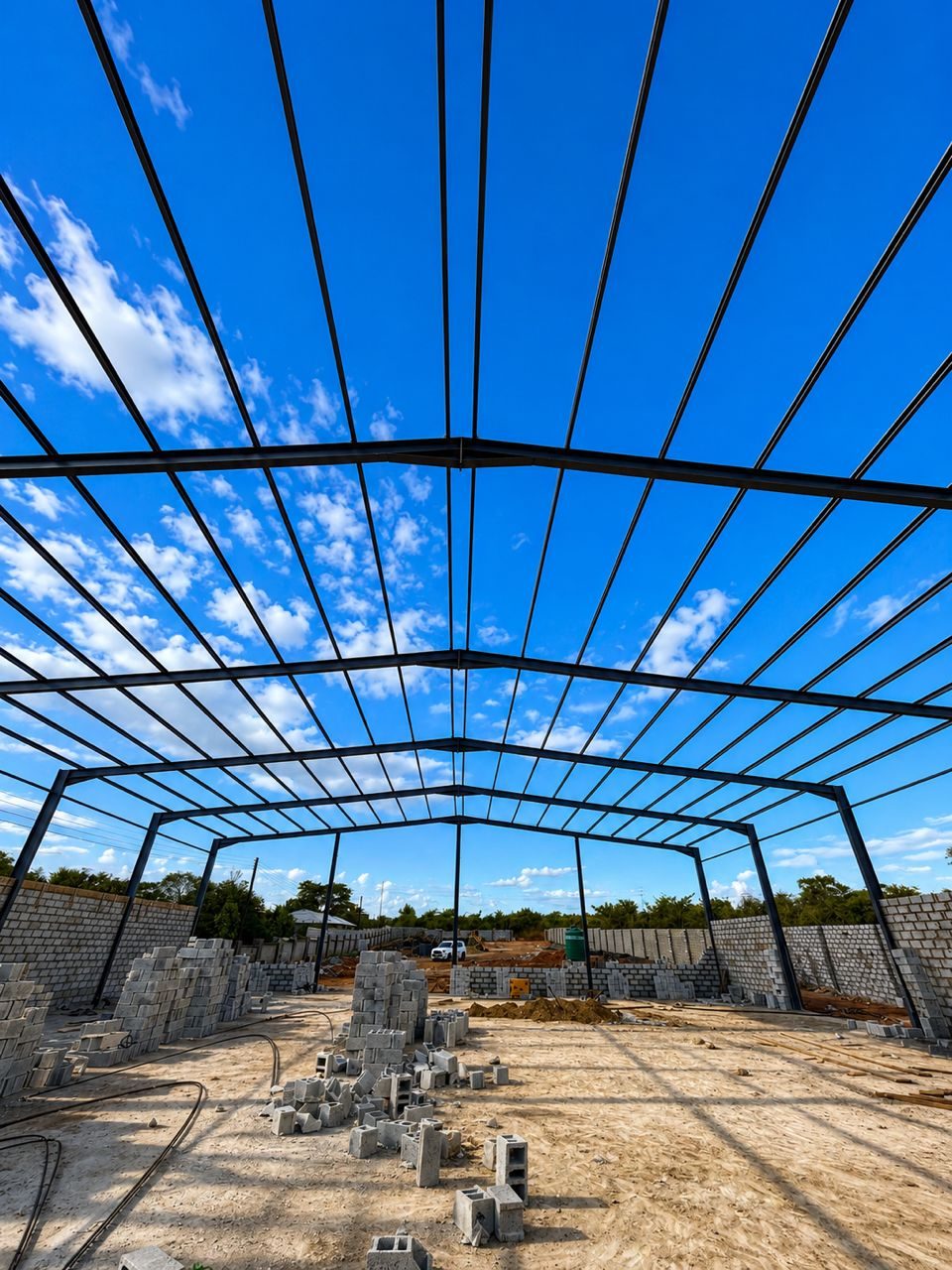
Engineered for Use
Every warehouse is planned around span, height, access, storage flow, loading requirements, and site conditions so the structure supports how the business actually operates.
Fabricated with Control
Columns, rafters, trusses, bracing, plates, and connection details are prepared through controlled fabrication processes for accurate fit and efficient site assembly.
Installed with Discipline
Site installation is sequenced to protect alignment, safety, and structural integrity from the first column through final frame checks.
Built for Growth
Warehouses can be planned with expansion, future loading, internal workflow, and long-term maintenance in mind.
Steel Warehouse Construction Built Around Your Operation
A warehouse is more than a roof and steel frame. It is a working asset that affects storage capacity, vehicle movement, loading efficiency, equipment access, ventilation, future expansion, and the daily productivity of the people using it. That is why ZamForge approaches warehouse construction as an engineered system from the start.
We help clients define the structure before fabrication begins. The intended use, required clear height, span, load conditions, roofing and cladding needs, site access, installation sequence, and budget expectations all influence the final design. This disciplined approach produces steel warehouse structures that are practical, strong, and ready for long-term use.
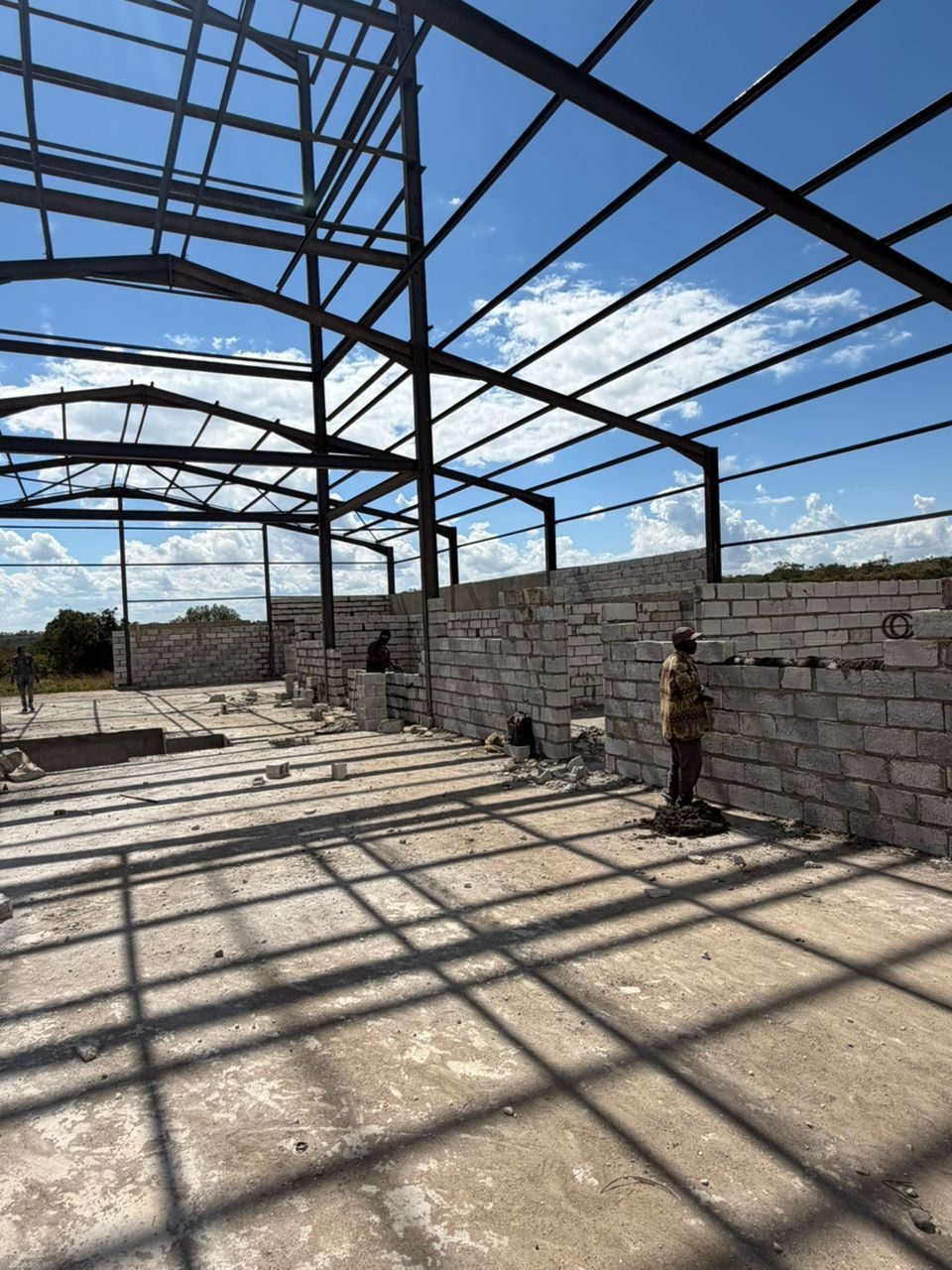
Warehouse Structures for Commercial, Industrial, and Operational Use
Different operations need different warehouse structures. ZamForge helps clients align the steel frame with the intended use so the building is practical from day one and ready for serious work.
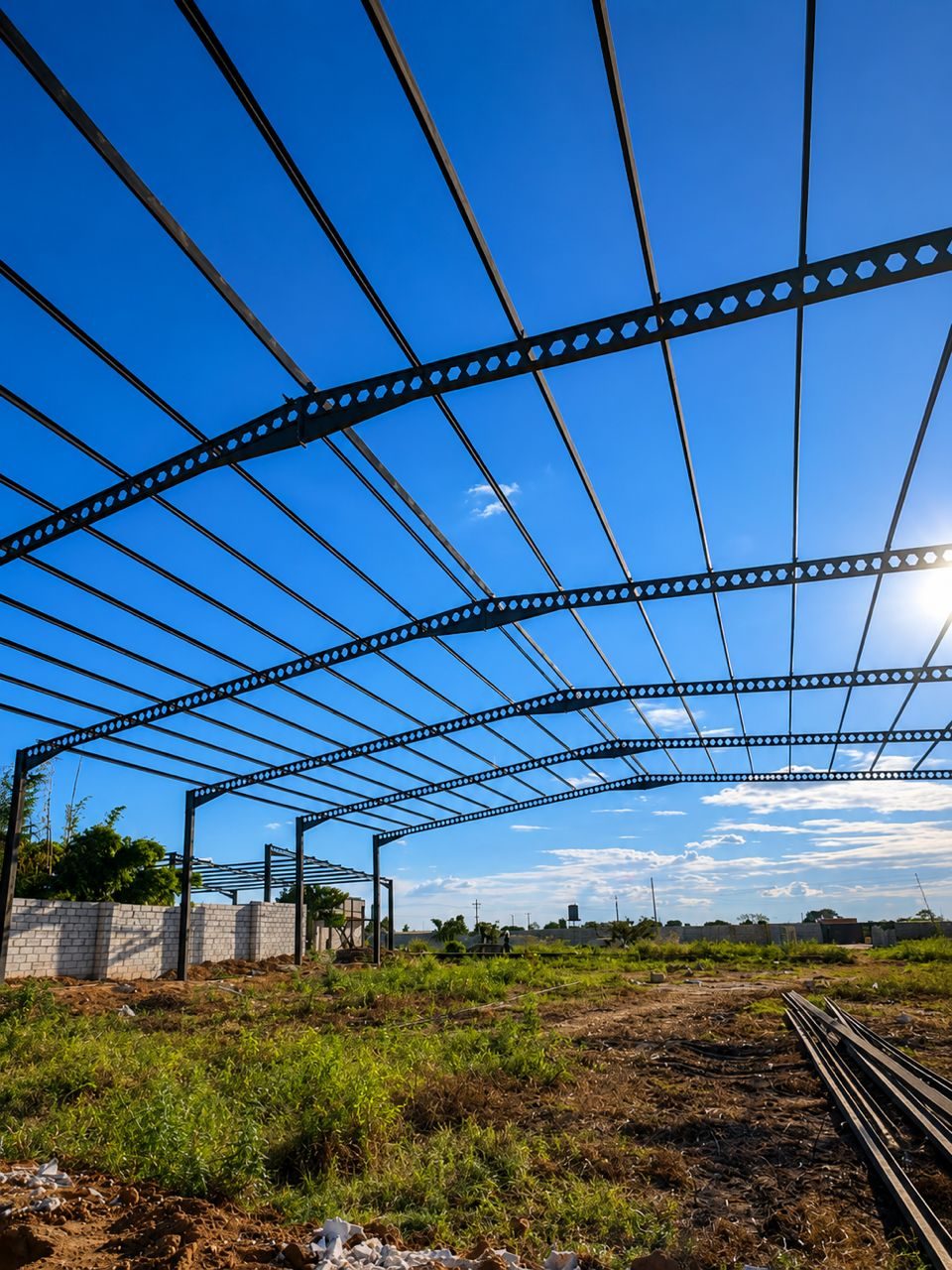
Logistics & Distribution
Clear-Span Storage Warehouses
Steel warehouse structures planned for storage flow, vehicle access, loading movement, dispatch areas, and high daily use.
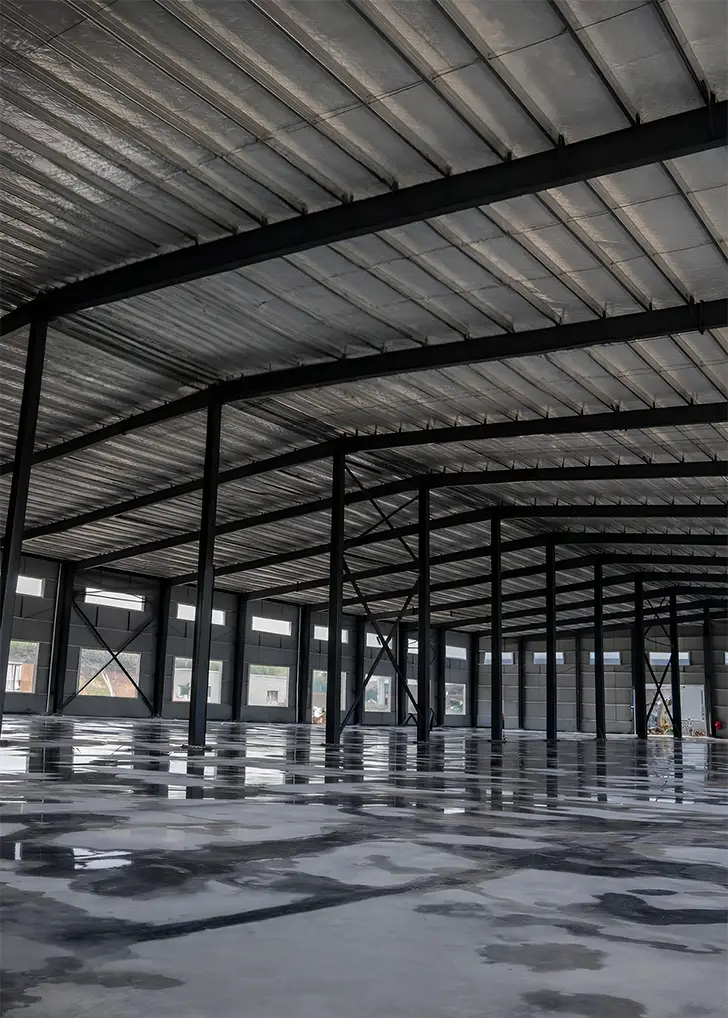
Manufacturing & Workshops
Production and Workshop Buildings
Practical steel buildings designed around machinery, work bays, internal clearance, ventilation, and operational durability.
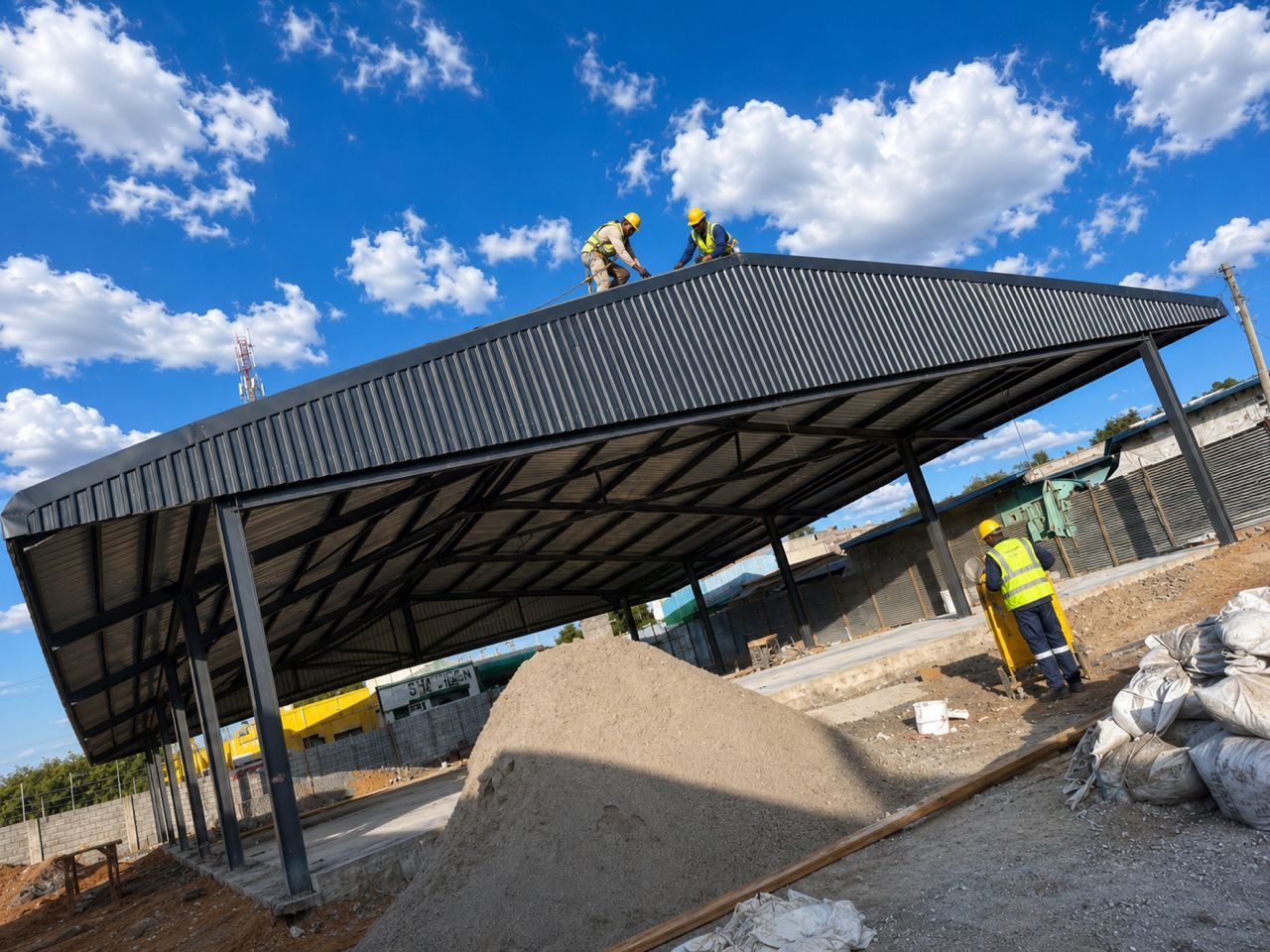
Agriculture & Storage
Agricultural Storage Structures
Durable warehouse frames for produce, equipment, input storage, covered handling areas, and rural commercial operations.
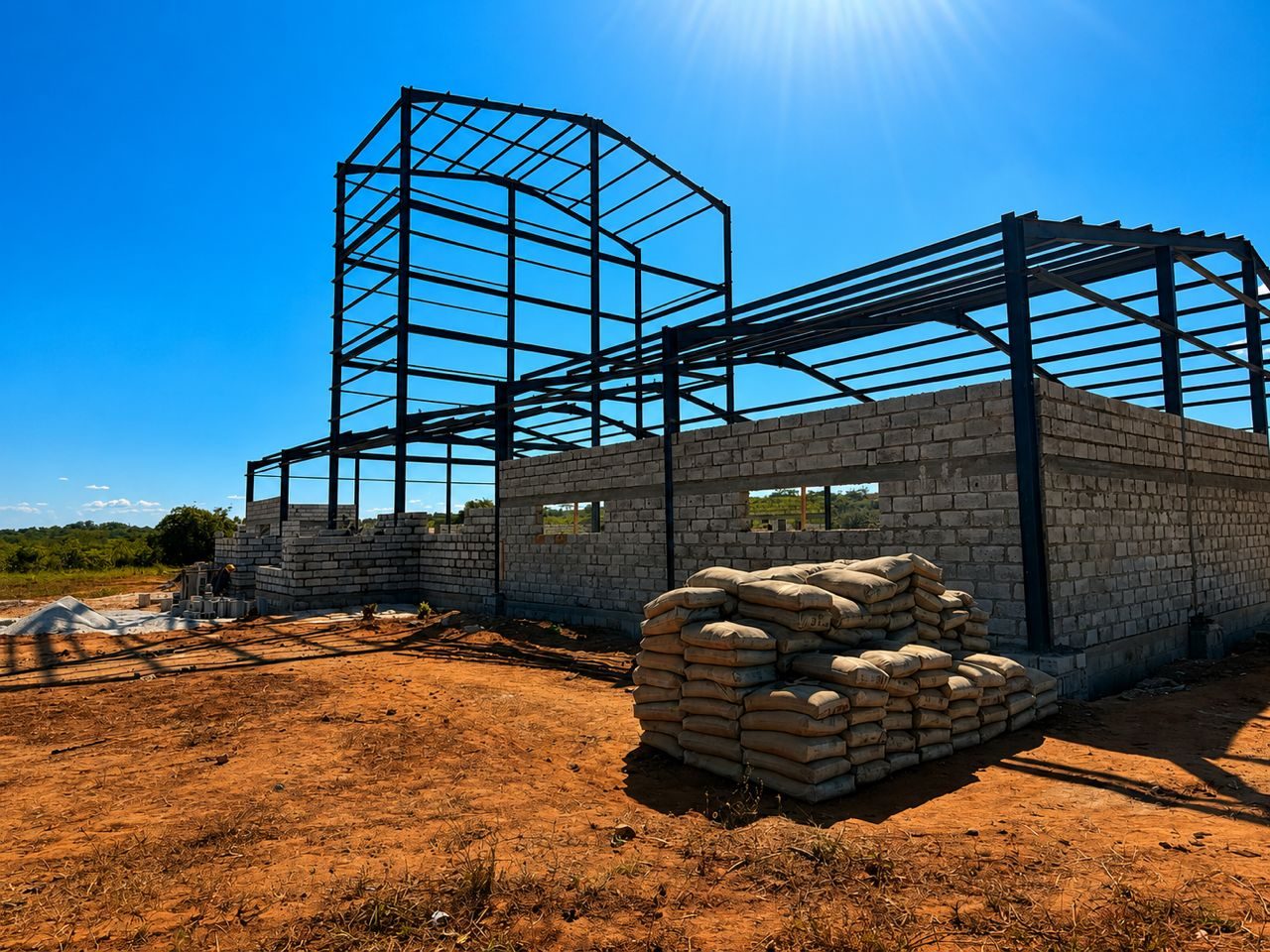
Mining & Industrial Support
Heavy-Use Industrial Buildings
Strong steel structures for demanding environments where durability, access, and reliable installation matter.
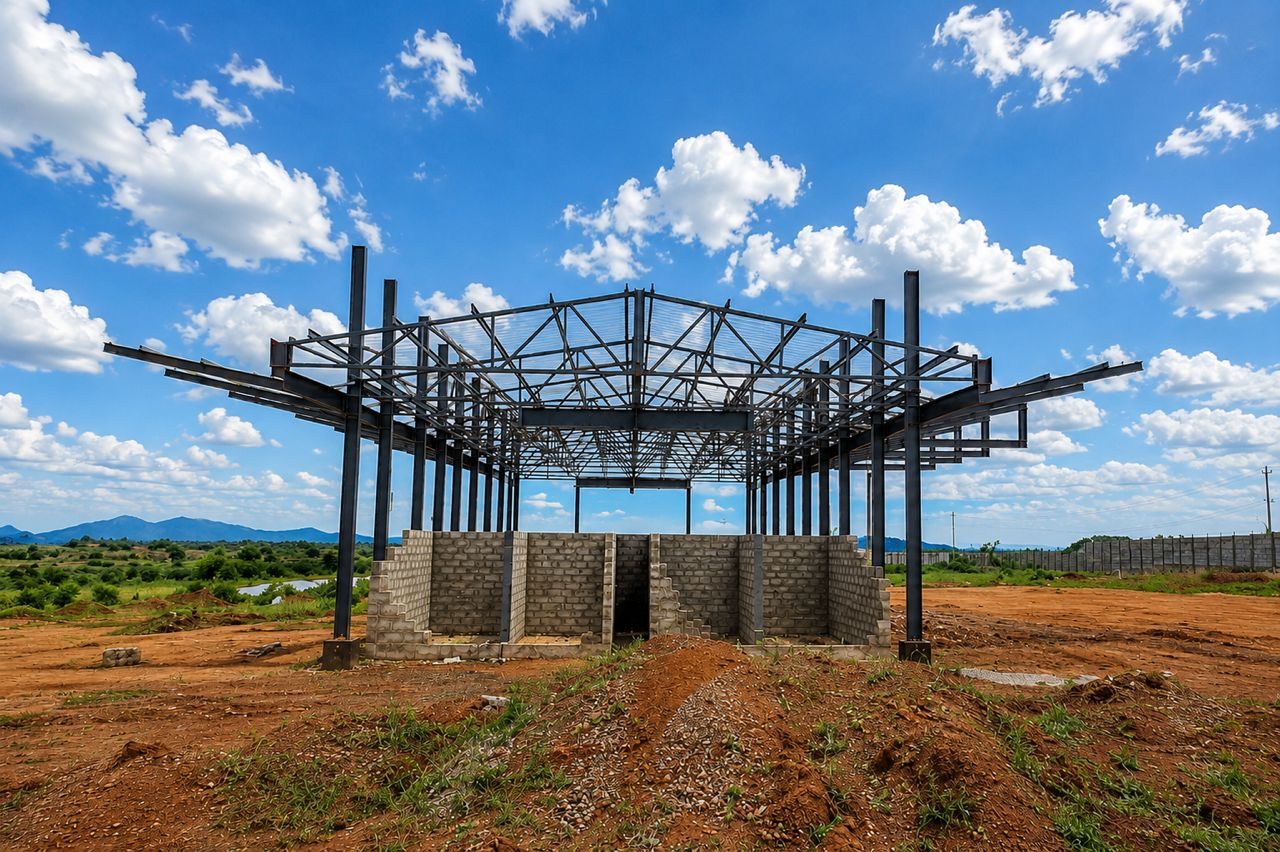
Commercial Storage
Business Storage Facilities
Clean, expandable warehouse spaces for business inventory, retail stock, service operations, and mixed-use commercial storage.
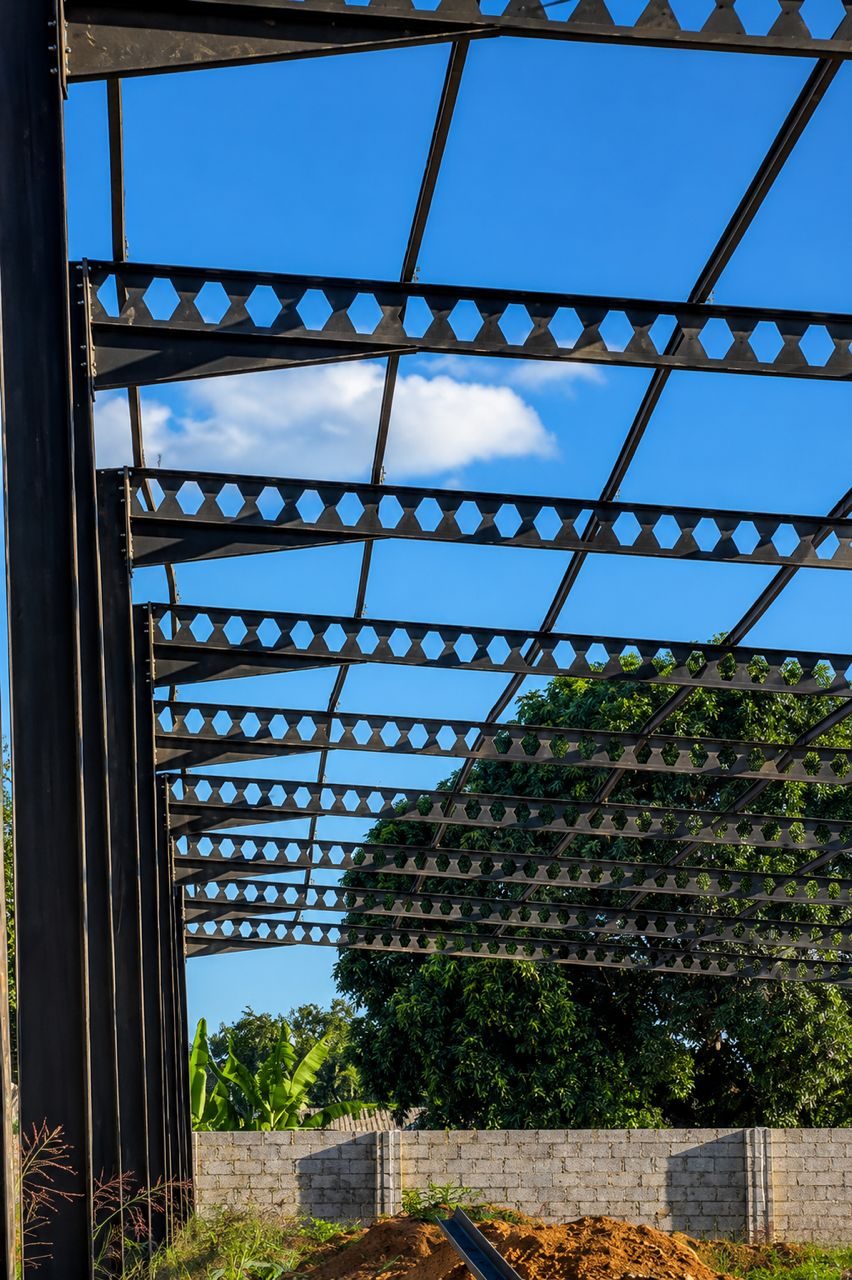
Custom Requirements
Custom Steel Warehouse Frames
Project-specific steel frames designed around site constraints, preferred layouts, expansion plans, and special operational requirements.
What Determines a Strong Warehouse Structure?
A reliable warehouse starts with decisions that affect performance, cost, installation, and long-term use. These are the practical factors ZamForge considers before steel is fabricated.
Span and Internal Layout
Span determines how efficiently the floor area can be used. Wider spans and fewer internal columns can improve movement and storage, but they must be properly engineered.
Height and Roof Design
Height affects storage volume, equipment clearance, ventilation, roof geometry, and the weight of the structural frame.
Operational Loading
The structure must suit real everyday use, from storage loads and roof loads to movement, vibration, and environmental exposure.
Access and Installation Planning
Site access influences how fast and safely the warehouse can be erected, especially where cranes, trucks, equipment, or other contractors are involved.
Roofing and Cladding Scope
Roofing, wall sheeting, gutters, openings, natural light, ventilation, and weather protection should be clarified early so the frame is planned correctly.
Future Expansion
Expansion should be discussed at the start so the layout, access, roofline, and connection strategy can support later growth where practical.
Our Warehouse Construction Process
Warehouse projects work best when the brief, structure, fabrication, and installation are aligned before work starts. ZamForge follows a clear process so clients understand what happens at every stage.
01
Consultation and Scope
We start with the intended use, location, dimensions, timeline, drawings if available, and the practical outcome the warehouse must deliver.
02
Structural Planning
The layout, frame logic, span, height, bracing, connections, and installation approach are reviewed before fabrication begins.
03
Steel Fabrication
Steel components are cut, prepared, welded, drilled, and checked through a controlled workflow so the frame is ready for efficient assembly.
04
Delivery and Installation
Our team coordinates delivery and erection with attention to alignment, sequencing, safety, and site conditions.
05
Final Checks
The structure is reviewed against the agreed scope so the client receives a warehouse frame built for dependable use.
How Much Does a Steel Warehouse Cost in Zambia?
Warehouse cost depends on the structure, scope, location, size, span, height, steel requirements, roofing and cladding decisions, installation conditions, and whether materials are supplied by the client or included in the project scope. A serious quotation should be based on the intended use and engineering requirements, not a generic assumption.
ZamForge can guide clients through the cost drivers and available execution models. If your project is in Lusaka and you are considering a material-supplied structure, ask about the current warehouse execution model and confirm whether it applies to your scope.
Plan Your Scope Clearly
For a reliable estimate, send your warehouse dimensions, site location, intended use, preferred height, required span, drawings if available, and target timeline. The clearer the brief, the stronger the quotation and project plan.
Why Build Your Warehouse with ZamForge Steel?
ZamForge brings the planning discipline, fabrication capability, and installation mindset needed for warehouse structures that are built to work — not just to stand.
Engineering-Led Thinking
We focus on structure, use, span, site conditions, and installation logic before fabrication starts.
In-House Fabrication Capability
Our workshop process supports cleaner components, better fit, and stronger control over steel preparation.
Installation Experience
We understand what happens on site, so the steel is planned for practical erection rather than workshop appearance only.
Relevant Zambian Project Experience
ZamForge works with commercial, industrial, agricultural, and operational clients across Zambia and the region.
Clear Communication
Clients get a structured process, practical guidance, and a team that can move from concept to fabrication and installation.
Steel Warehouse Construction FAQs
These common questions help clients prepare a stronger warehouse enquiry and understand what ZamForge needs before quoting or planning a build.
Do you design and build complete steel warehouse structures?
Yes. ZamForge supports warehouse projects from consultation and structural planning through steel fabrication and installation. The final scope can be adjusted around the client’s requirements, project location, material supply model, and site conditions.
What information do you need for a warehouse quote?
The most useful details are the warehouse dimensions, intended use, site location, preferred height, required span, drawings if available, timeline, and whether you need roofing, cladding, installation, or only the steel frame.
Can you build warehouses for manufacturing, agriculture, mining, and logistics?
Yes. Steel warehouse structures can be designed for different operational needs, including logistics, manufacturing, agricultural storage, mining support, workshops, and commercial storage.
What affects the cost of a steel warehouse?
Cost is influenced by size, span, height, steel section requirements, structural loading, roofing and cladding, fabrication scope, installation complexity, site access, transport, and location.
Can a warehouse be designed for future expansion?
Yes. Future expansion should be discussed early so the frame layout, access, roofline, and connection strategy can support later growth where practical.
Do you work outside Lusaka?
ZamForge works across Zambia and the region. Projects outside Lusaka may require additional planning for transport, accommodation, equipment, installation timing, and site coordination.
Plan Your Warehouse with Better Information
Use these ZamForge resources to understand planning, costs, and how to choose the right steel fabrication partner before starting your warehouse project.
Before Building a Steel Warehouse in Zambia
Understand the key planning decisions around use, size, height, span, site conditions, and execution before fabrication begins.
Steel Warehouse Cost in Zambia
Learn what drives warehouse cost and why proper scope, engineering, fabrication quality, and installation conditions matter.
How to Choose a Steel Fabrication Company
See what to look for in a fabrication partner when your project needs accuracy, capability, accountability, and site-ready steel.
Ready to Build a Warehouse That Works?
Send ZamForge your warehouse dimensions, location, intended use, drawings if available, and target timeline. We will review the requirement and guide you toward a practical steel warehouse solution built around performance, cost clarity, and long-term use.