Zamforge specializes in high-precision structural steel fabrication for projects that demand accuracy, consistency, and strength. We fabricate steel components that form the backbone of complex builds.
Where Steel Is Made Ready
Structural steel fabrication is not about erecting buildings — it’s about preparing steel to perform exactly as designed. At Zamforge, fabrication is a controlled process where every cut, hole, weld, and connection is executed to specification.
We fabricate structural steel components for contractors, developers, engineers, and project teams who require reliable steelwork that integrates seamlessly on site. Our role is to deliver steel that fits, aligns, and installs without correction.
Fabrication Driven by Machinery and Control
Zamforge operates modern steel fabrication machinery that allows us to process structural steel with a high level of accuracy and repeatability. This enables consistent output across beams, columns, plates, and complex connection details.
Controlled fabrication reduces rework, improves installation speed, and ensures the finished structure performs as engineered.
Primary Structural Components
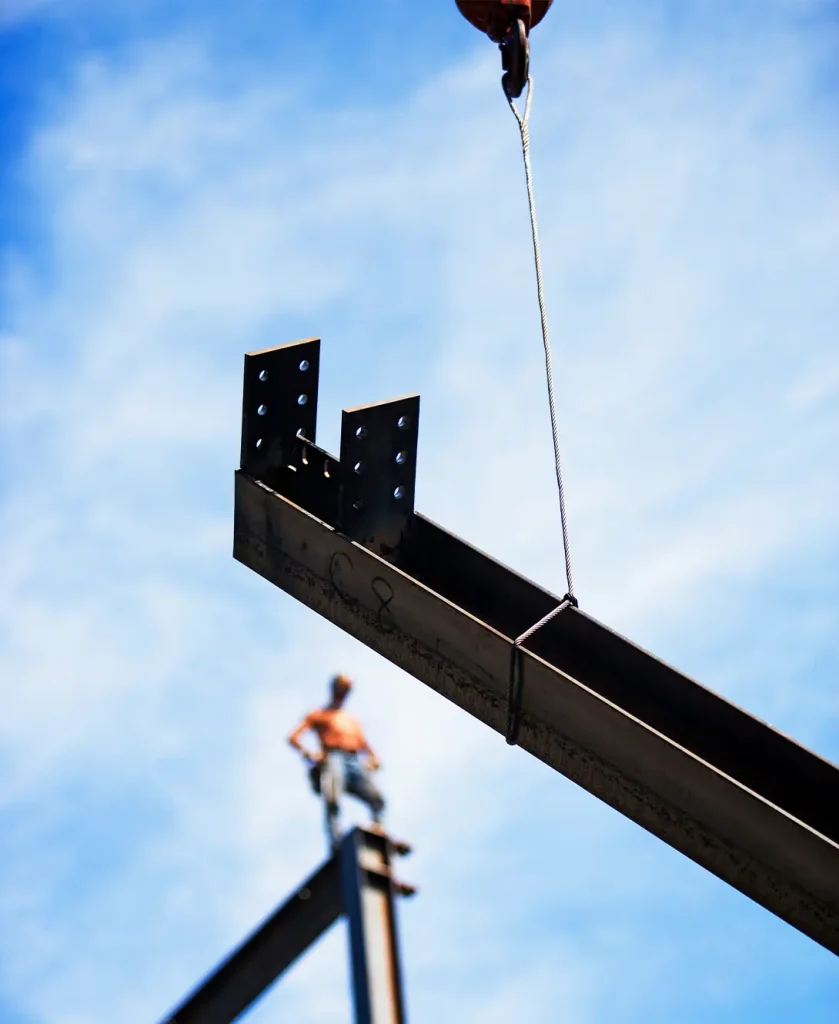
We fabricate steel beams, columns, base plates, stiffeners, and bracing elements to structural specifications. Components are prepared for load-bearing performance and clean integration on site.
Connection Plates & Assemblies
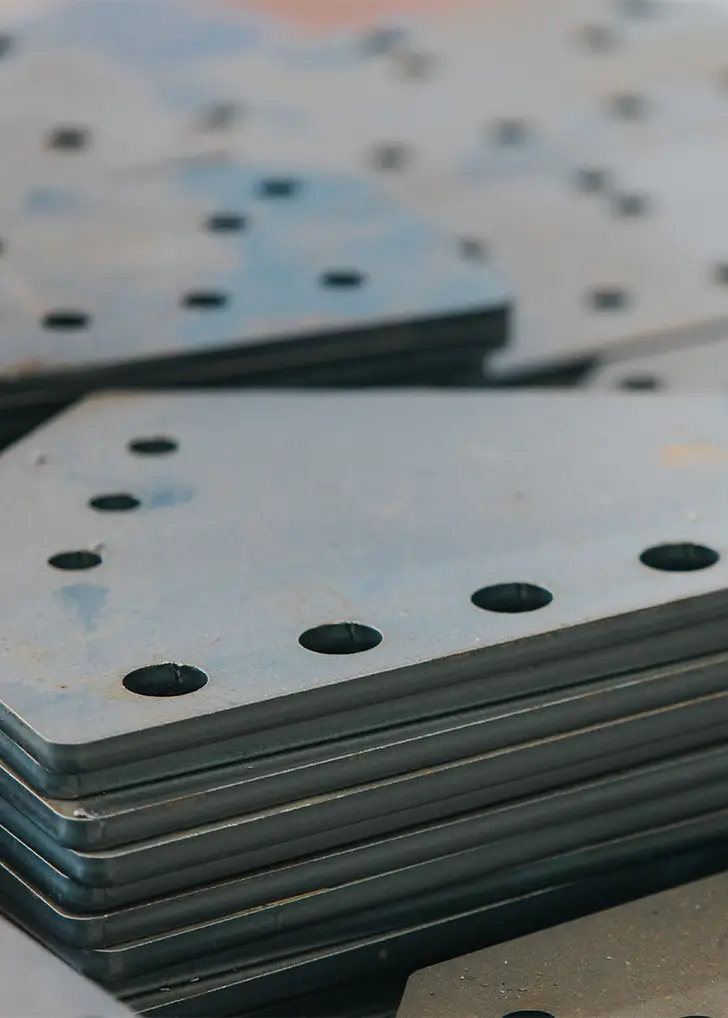
Connection details are fabricated with precision to ensure proper alignment and load transfer. Bolt holes, plates, and welded assemblies are produced to exact requirements, reducing on-site adjustments.
Fabrication for Contractors & Engineers
Our fabrication process is structured to support smooth site execution. Steel is labeled, prepared, and organized to align with erection sequences, helping teams install faster and with fewer errors.
Become a Customer
Start Your Project with Zamforge
Whether you’re planning a warehouse, structural framework, or a custom architectural steel element, our team is ready to assist. Share your project details, dimensions, and requirements — and we’ll take it from there.