When planning a new warehouse, one of the first questions decision-makers ask is:
“How much will it cost?”
The honest answer is that steel warehouse costs vary — not because pricing is unclear, but because every warehouse is engineered differently based on use, size, and site conditions.
This article explains the key cost factors involved in building a steel warehouse in Zambia, so you can plan accurately and avoid surprises.
There Is No One-Size-Fits-All Price
Steel warehouses are not off-the-shelf products.
They are engineered structures, designed to meet specific operational requirements.
Cost is determined by:
How the warehouse will be used
The size and height required
Structural loading
Site conditions and access
Fabrication and installation scope
Understanding these variables helps you budget realistically and choose the right fabrication partner.

Key Factors That Affect Steel Warehouse Costs
1 – Warehouse Size and Span
The overall floor area and clear span play a major role in cost.
-
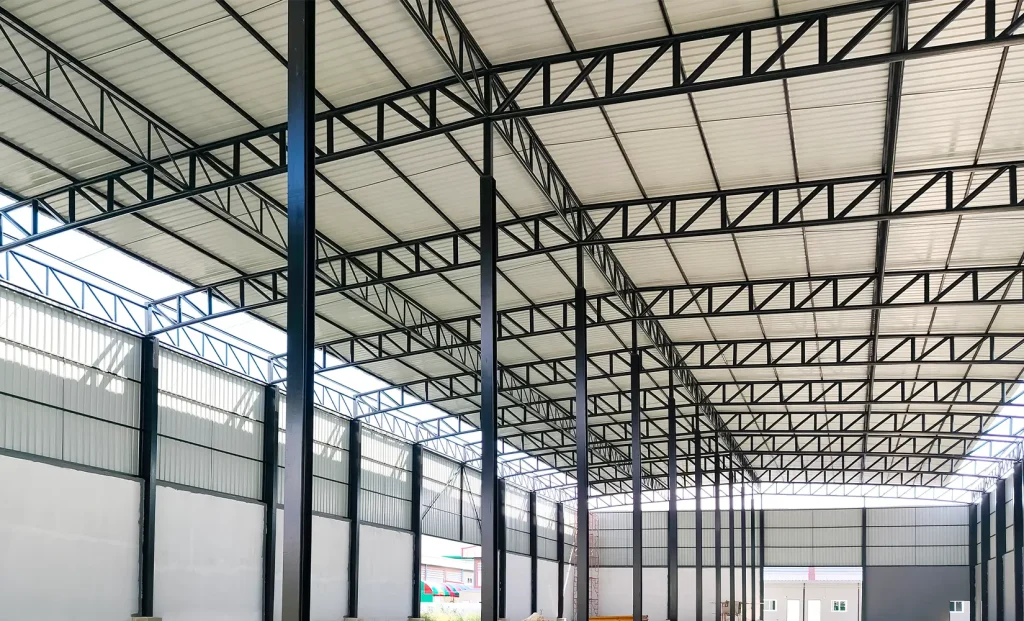
Larger spans require heavier steel sections
-
Wide, column-free spaces increase structural demand
-
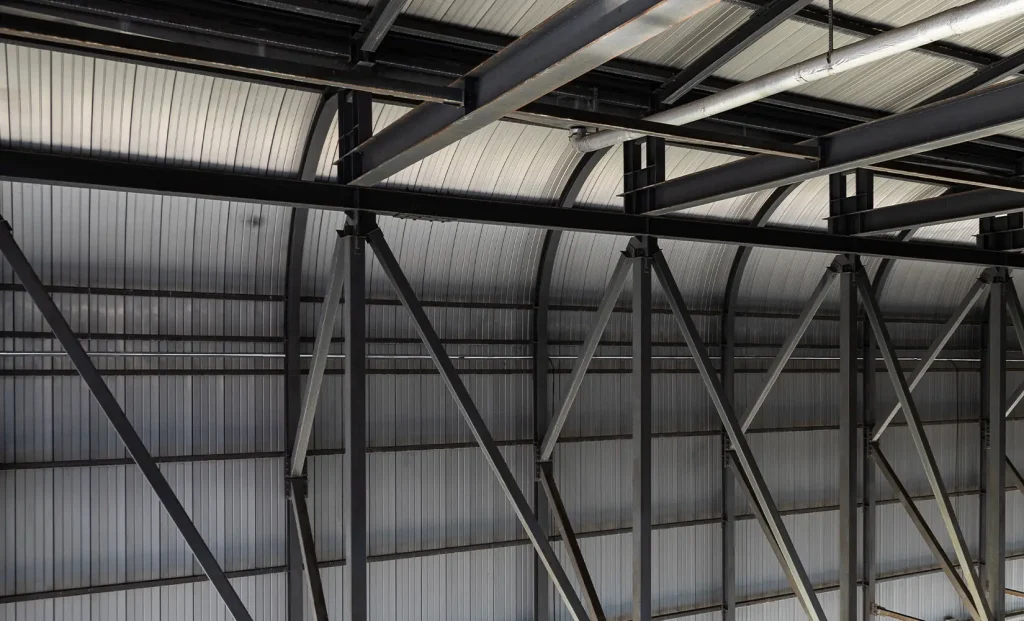
Taller warehouses require stronger framing and bracing
A small storage warehouse and a large logistics facility may look similar from the outside — but structurally, they are very different.
2 – Intended Use of the Warehouse
What happens inside the warehouse matters.
Warehouses used for:
-
Logistics & distribution
-
Manufacturing
-
Agricultural storage
-
Mining or industrial operations
Each has different load requirements, access needs, and durability considerations — all of which influence steel design and cost.
3 – Structural Design & Engineering
Proper engineering is not an optional extra.
Structural design considers:
-
Load paths
-
Wind forces
-
Roof loads
-
Expansion potential
A professionally engineered steel warehouse may cost more upfront, but it reduces long-term risk, rework, and operational issues.
4 – Steel Fabrication Quality
Not all fabrication is equal.
Costs are influenced by:
-
Steel grade and section sizes
-
Precision of fabrication
-
Connection detailing
-
Quality control in the workshop
Accurate fabrication ensures:
-
Faster installation
-
Fewer site adjustments
-
Better long-term performance
Cheap fabrication often leads to delays, alignment problems, and additional site costs.
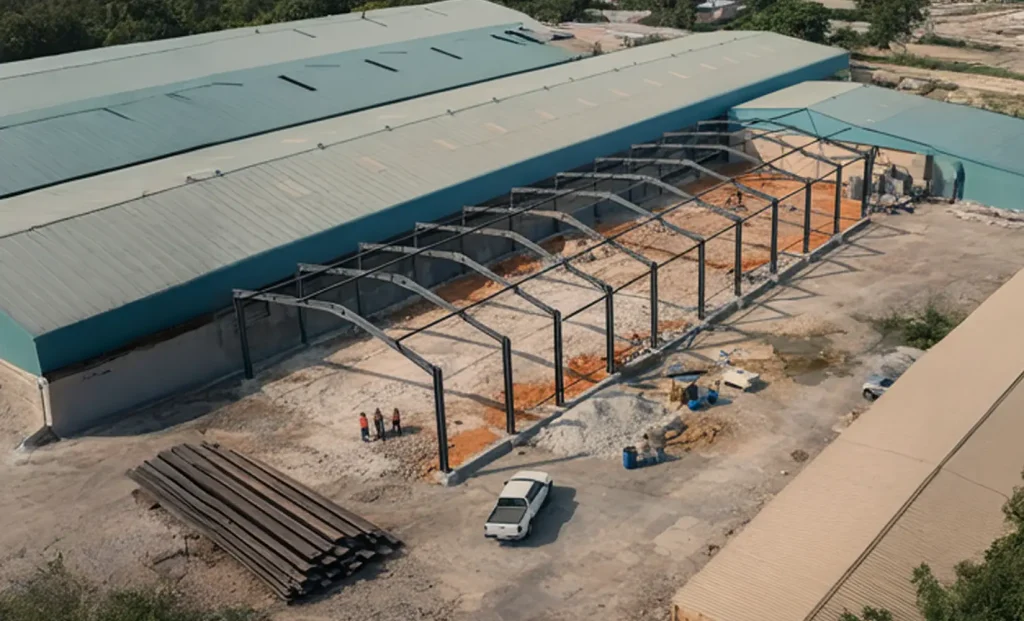
5 – Installation and Site Conditions
Installation costs depend on:
-
Site accessibility
-
Ground conditions
-
Distance from fabrication facility
-
Crane and equipment requirements
A well-planned installation reduces downtime and ensures the structure is erected safely and efficiently.
Typical Cost Ranges (General Guidance)
While exact pricing depends on the project, steel warehouse structures in Zambia are often calculated per square metreof structure.
This typically covers:
Structural steel design
Fabrication of steel components
Installation of the steel frame
Additional items such as roofing, cladding, flooring, and services are usually costed separately.
Important: Any quoted rate should be based on engineering scope, not assumptions.
Why Cheapest Is Rarely the Best Option
Choosing the lowest price can lead to:
Under-designed structures
Excessive site modifications
Delays during installation
Higher long-term maintenance costs
A properly engineered steel warehouse is an investment, not just a building.
How to Get an Accurate Warehouse Cost
To receive a reliable cost estimate, a steel fabricator will typically need:
Warehouse dimensions
Intended use
Location
Timeline
Any available drawings or concepts
This allows the structure to be designed and priced accurately — without guesswork.
Build It Right From the Start
At Zamforge Steel, warehouse projects are approached as engineered systems, not generic structures.
By aligning design, fabrication, and installation from the start, we deliver warehouses that:
Install efficiently
Perform reliably
Support long-term operations
If you’re planning a steel warehouse and want clarity on cost, scope, and execution, the right place to start is a proper consultation.